

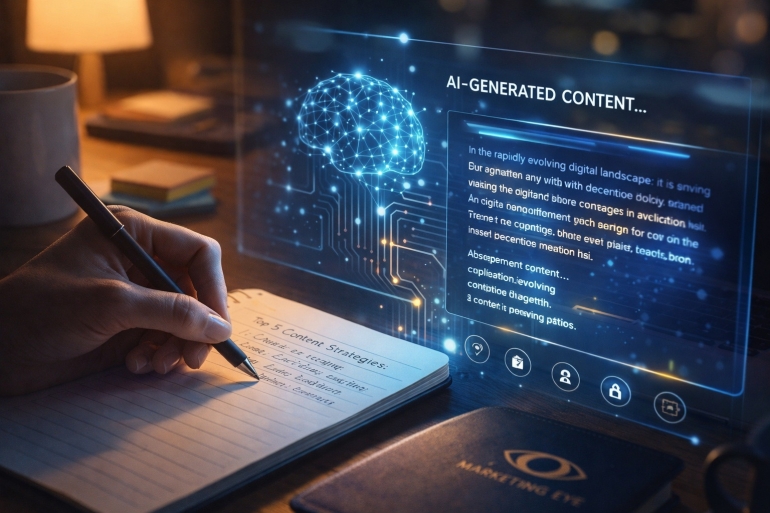
AI Content Marketing: Merging Intelligence and Creativity in 2026
AI is significantly reshaping the world of marketing, integrating technology and human expertise in new ways. Nowhere is this more apparent than at the intersection of AI content marketing and content creation. By leveraging artificial intelligence, marketing teams can produce more relevant, engaging material while optimizing efficiency. This ongoing transformation is driving today’s leading marketing trends, especially as companies seek to maintain an authentic brand voice even when scaling production. As we explore these trends and strategies, understanding the balance between AI and human oversight becomes essential.
The New Era of Content Ideation through AI
Content ideation has seen remarkable advances due to AI content marketing. Previously, brainstorming topics and themes demanded substantial manual effort. Today, algorithms can scan industry data, social conversations and keyword patterns to generate content ideas with high engagement potential. These AI-powered suggestions enable teams to stay ahead with fresh, relevant topics. With continuous analysis, businesses can align their content calendars with what their audience actively seeks. This approach ensures that content remains timely and relevant while maximizing the chances of organic discovery.
Integrated AI Workflows for Content Teams
AI and content strategy tools can now integrate directly into an outsourced marketing department’s daily workflow. Platforms like Robotic Marketer SaaS support real-time topic discovery alongside competitor intelligence. Combined with project management systems, these AI tools suggest content angles and channels, helping teams move quickly from idea to production without losing momentum. Easy integration with distribution platforms allows for smart scheduling and optimized posting, meaning marketing professionals spend less time on logistics and more time on creative refinement. The result is a workflow marked by agility and precision.
AI Content Creation: Automation and Authenticity
At the core of AI content marketing lies the automation of content creation itself. AI systems now draft blog posts, social captions and even entire articles at scale. Yet, many marketers wonder if mass production can coexist with brand authenticity. Quality control remains a top concern, especially as fully AI-generated content can sometimes lack the nuance or emotional resonance that resonates with readers. To address this, organizations maintain a balance. AI handles the initial drafts and repetitive content, while human editors ensure that voice, tone and messaging align with brand standards.
Maintaining Brand Voice in Automated Content
Brand voice is essential to audience trust. While AI tools help speed production, human oversight remains vital. Editors review AI-generated drafts to confirm consistency with brand values and standards. They infuse sector-specific insights, anecdotes or perspectives that algorithms might miss. This collaborative approach enables brands to scale output without sacrificing credibility or connection. Additionally, ongoing training of AI systems allows the technology to learn from edits, further improving the natural feel of automated content over time.
The Difference in AI-Generated Content Quality
The debate between AI-assisted and fully AI-generated content continues as marketing teams measure content marketing trends for 2026. AI content creation platforms now produce grammatically correct, structurally sound articles. However, fully AI-generated pieces can lack depth and unique perspective. AI-assisted content, which incorporates human contributions, often delivers higher engagement rates and longer audience retention. By blending both, companies maximize efficiency while maintaining a distinct voice. In many use cases, the highest performing content comes from workflows that pair fast automation with subject matter expertise.
Quality Assessment: Understanding the Gap
Assessing AI-generated content quality requires careful scrutiny. Factors like originality, clarity and informativeness help differentiate top-performing content from average posts. Tools exist to analyze reading levels and sentiment, but only experienced marketers can judge true impact. Regular reviews and iterative feedback loops help identify what’s working, making it possible to continually refine both AI and editorial standards. This ongoing monitoring helps protect brand reputation while leveraging the benefits of AI.
Scaling Content with AI without Losing Authenticity
Scaling content output can introduce risk, especially if authenticity becomes diluted. AI and content strategy platforms provide solutions by automating repetitive research, formatting or scheduling tasks. Yet, authentic perspectives, expert interviews and real testimonials must still come from people. The most successful teams use AI to handle the bulk, then invest human effort where it matters most. For instance, an outsourced marketing department might use AI to generate reports and outlines, but a human expert reviews, polishes and personalizes the finished product.
Practical Tips for Balancing Scale and Authenticity
Teams can follow several actionable steps. First, establish firm editorial guidelines that define brand tone and messaging. Second, train content creators to review output with these guidelines in mind. Third, incorporate feedback from target audiences to adjust strategies. By using AI for what it does best—speed and data analysis—and humans for creativity and relationship-building, scalability and authenticity can coexist. This process drives higher engagement and supports long-term growth.
Practical AI Content Workflows for Teams
Implementing AI content creation goes beyond simply using a tool. Marketing teams should build clear workflows that maximize both machine and human strengths. Begin by using AI platforms to generate topic ideas, draft outlines and recommend keywords. Next, assign expert writers or editors to refine content, ensuring it meets both the technical and emotional needs of readers. Adopt systems where approvals move quickly, reducing bottlenecks. Document which tools and steps provide the best results, and update processes based on evolving content marketing trends in 2026.
AI in Website Development and Distribution
AI content marketing extends to every part of the publishing process, including website development. AI-powered website builders can rapidly prototype layouts, optimize user paths and recommend page updates. Automated systems track user engagement, adjust calls to action and enhance SEO based on real-time data. For distribution, AI tools analyze audience behavior and suggest optimal content placement. Scheduling content through these platforms ensures maximum reach during peak engagement hours, an important function as content marketing increases in scope and competition.
The Media Role of AI: Broader Content Platforms
Magazines and platforms provide another avenue where AI improves content value and diversity. Marketing Eye Magazine, for example, acts as a curated showcase for advanced content strategies, industry interviews and application of AI tools. By combining automated curation with human curation, such platforms ensure a variety of voices and perspectives reach the audience. Readers benefit from a comprehensive view, grounded in both algorithmic insight and editorial judgment. The end result is better storytelling that remains compelling to broad audiences.
AI’s Influence on Audience Engagement
AI and content strategy now influence every phase of the audience journey. Content recommendations, personalized email newsletters and dynamic web experiences are all powered by predictive models. Advanced platforms identify which types of stories resonate most, segmenting users by interests, device or previous behavior. Marketers can then tailor outreach, delivering messaging that feels individual even when large-scale automation is in play. In 2026, such predictive engagement shapes not just what people read, but how they connect with brands long-term.
Looking Ahead: Adapting to Content Marketing Trends 2026
The content marketing space will continue to adapt rapidly. Staying relevant means embracing new technologies while holding onto foundational best practices. Teams will analyze content marketing trends in 2026, including the next phase of AI-driven workflows, smarter website development and more sophisticated audience targeting. The link between AI-generated content quality and audience trust will become clearer. Brands able to combine scale, speed and authenticity will lead the market. By integrating both machine intelligence and human creativity, the future of content marketing promises material that is consistently engaging and effective.


Leave a comment
Make sure you enter all the required information, indicated by an asterisk (*). HTML code is not allowed.