Beyond Clicks: Building a Smarter Growth Strategy with SEO and Google Ads
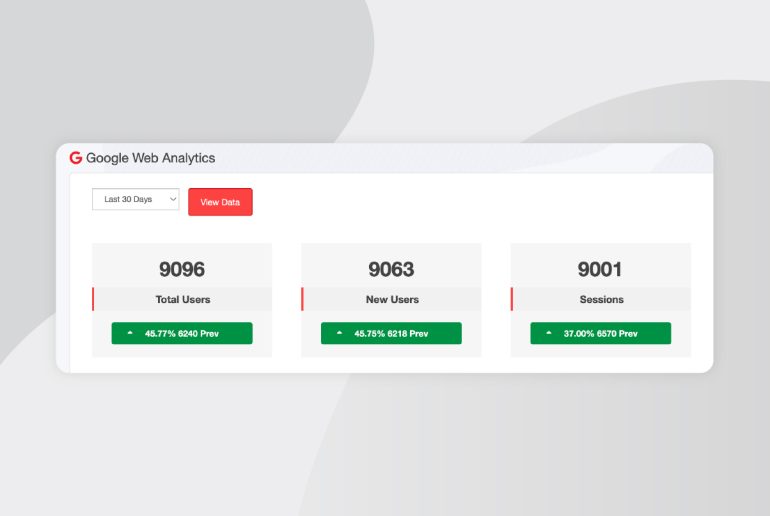
Most businesses once saw SEO and Google Ads as tools for firework displays—quick spikes in traffic and brief moments of visibility. Yet, organizations that truly want long-term business growth now understand these are not about chasing clicks. Transformation comes from layering both well and moving beyond the vanity metrics. The journey shifts from quick wins to a calculated, smarter approach. Focusing on user intent, synergy between channels, and continuous iteration creates new possibilities.
Changing the Mindset from Clicks to Growth
The central conversation around digital marketing can no longer begin and end with volume. More businesses enter true competition for the same buyers’ attention. Generic keywords and surface-level AD campaigns rarely deliver results that matter. Meaningful growth starts with a clear business goal. Teams must commit to deeper research, customer understanding, and a willingness to adapt tactics. Growth strategies put user experience and long-term returns above fleeting digital attention spans.
Synergizing SEO and Google Ads for Greater Effect
SEO and Google Ads should not compete. Instead, both can provide measurable boosts when used in unison. SEO is the foundation for organic trust, credibility, and sustainable rankings. Google Ads allow brands to claim immediate search real estate and reach their audiences during key intent windows. Many successful campaigns use insights from each channel to inform and evolve the other. Data from paid search exposes new high-value queries, while SEO reveals low-cost traffic sources.
Why Coordination Wins
Brands that connect their SEO and Google Ads strategies often outperform those who do not. Content that ranks organically and draws high AD quality scores costs less to promote. Insights from AD tests reveal which page headlines attract more engagement. Carefully coordinated timing helps teams avoid costly overlap and wasted spend.
User Intent as the North Star
Modern buyers rarely move in straight lines from first search to purchase. Their intentions change as they research, compare, and validate. Businesses that use keyword research only to chase monthly search volume lose sight of actual customer needs. A focused approach means using intent-based keyword clusters. This helps capture attention at early, middle, and late buyer stages. Content aligned with intent educates, reassures, and guides—not just lures the click.
Mapping Intent Across Keywords
Each stage in the customer journey matches specific search queries. For informational intent, blog posts and resource pages often work best. For transactional intent, landing pages and direct-response ads drive action. Mapping keywords to content assets clarifies resource gaps and uncovers unexplored growth opportunities. Over time, refining these maps produces better results across entire marketing funnels.
SEO Fundamentals Still Matter
Foundational SEO provides compounding returns when executed consistently. Clear site structures, accessible navigation, and technical performance ensure search engines can find and understand content. Well-optimized page titles, meta descriptions, and schema keep sites competitive for high-intent keywords. Link building, when earned through authoritative content, creates credibility and boosts visibility.
The Power of Content Quality
Quantity rarely outperforms quality in today’s digital space. Invest in evergreen resources that answer significant pain points. Regular updates to existing pages signal to search engines and users that the site cares about delivering value. Supporting content with visual assets, expert commentary, and unique research further separates leading brands from the crowd.
Google Ads: Precision, Flexibility and Accountability
Google Ads remain essential when teams need to target high-value demographics and appear instantly for key terms. Modern AD platforms enable precise audience targeting, device, and location-based strategies. Budgets can shift quickly to emphasize what is producing results. A well-structured Google Ads account mirrors company objectives and ensures each dollar spent has a clear purpose. Performance tracking from impression to conversion gives executives transparency about what works and what does not.
When to Push and When to Pull Back
Data-driven optimization in Google Ads prevents wasted spend. Consistent testing of headlines, calls to action, and landing pages helps sustain clickthrough rates. Identifying negative keywords curbs wasted impressions. Responsive AD formats react to performance trends, shifting focus quickly when buyer behaviors change. Ultimately, the most successful accounts continually refine both creative and spend allocation based on real insights.
Measuring What Truly Matters
With hundreds of metrics available, many teams struggle with analysis paralysis. The answers lie in prioritizing what connects to real business outcomes. Stop measuring only impressions or clicks. Evaluate traffic quality, on-site engagement, cost per acquisition, and, most importantly, lifetime customer value. Establishing dashboards focused on a handful of core metrics makes reporting clearer and decision-making faster. Analyze trends over months—not days—to gain a sense of sustained effectiveness.
The Role of Attribution Models
Attribution modeling has moved past last-click bias. Modern strategies incorporate linear, position-based, time decay, and data-driven attribution models to assign value across the funnel. Comprehensive attribution prevents over-valuing one touchpoint and helps teams direct marketing investment efficiently. The right attribution model depends on business model complexity and buyer journey length.
Continuous Experimentation and Learning
One of the best predictors of long-term marketing success is a culture that values ongoing learning. SEO and Google Ads work best when teams continuously test, analyze, and tweak. Trends, algorithms, and competition change quickly. What produced results last quarter will need adjustment soon. Maintaining agility ensures new opportunities get identified early, while underperforming tactics get replaced. Regularly revisiting keyword strategies, AD copy, and content relevance keeps growth strategies performing at their best.
Building Feedback Loops
Closed-loop reporting between marketing, sales, and customer success helps keep teams aligned with the market. Insights from sales conversations can inspire better keyword and AD targeting. Customer support can provide valuable input on which content types address the real needs of users. Feedback loops drive a holistic strategy where each channel supports the other in producing meaningful results.
Looking Ahead: Preparing for Change in Search and Advertising
Google’s algorithm updates and consumer behavior trends drive frequent changes in the search and advertising space. Search result pages now include more features—maps, reviews, video carousels, and answer boxes. Voice search and visual discovery are becoming more popular. Advertising platforms layer in more automation and audience targeting capabilities every year. Businesses that adapt to change quickly, update their approaches, and anticipate shifts in user needs stand to gain the most. The fundamentals of SEO and paid ads will remain central, but success requires a mindset focused on growth, coordination, and constant learning.
Lastest Posts