The Impact of Marketing Models: Designing Effective Marketing Strategies
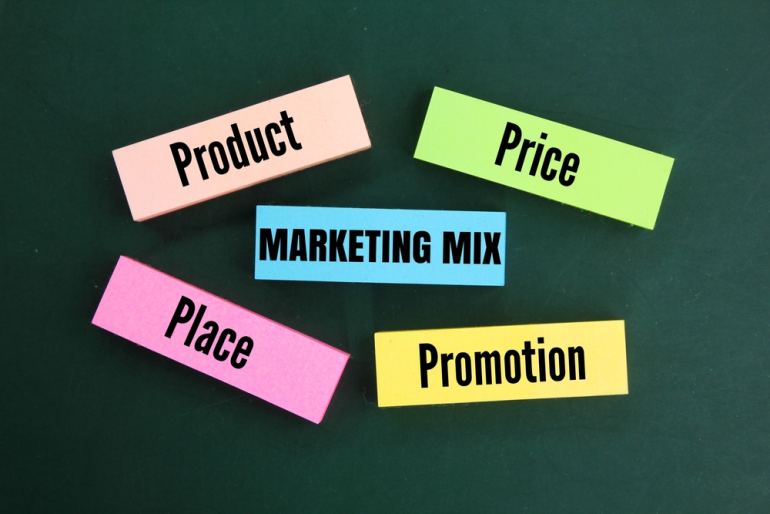
The Marketing Mix (4Ps Model)
The Marketing Mix, also known as the 4Ps Model, is the cornerstone of marketing strategy. It comprises four fundamental elements that marketers use to craft a cohesive approach:
Product
This element involves developing products or services that meet the needs and desires of the target audience. It includes aspects such as product features, branding, and differentiation to create a competitive advantage.
Price
Determining the right pricing strategy is crucial for market success. Marketing teams analyze factors like costs, competition, and customer perceptions to set optimal prices.
Place
The “place” aspect involves selecting the right distribution channels to reach the target audience effectively. It includes considerations such as geographic reach, physical location, and online presence.
Promotion
Crafting compelling promotional campaigns is essential to raise brand awareness and engage the target audience. Marketers use various tactics, such as advertising, public relations, and social media, to promote products and services effectively.
Customer Journey Mapping
Understanding the customer journey is imperative for delivering exceptional customer experiences. Customer journey mapping enables marketing departments to gain insights into customer touchpoints, emotions, and pain points at every stage of their interaction with the brand. The key stages include:
Awareness
Identifying potential customers’ awareness of the brand and its offerings.
Consideration
Understanding how customers evaluate the product or service in comparison to competitors.
Purchase
Analyzing the decision-making process leading to the purchase.
Post-Purchase
Evaluating customer satisfaction and retention efforts to build brand loyalty.
Customer journey mapping helps marketing teams tailor their strategies to address specific customer needs, enhance engagement, and foster lasting brand loyalty.
Segmentation, Targeting, and Positioning (STP Model)
The STP Model is a strategic approach that helps marketing departments segment the market, target specific customer groups, and position products or services effectively:
Segmentation
Dividing the market into distinct groups based on common characteristics and preferences.
Targeting
Selecting the most promising market segments that align with the company’s strengths and objectives.
Positioning
Creating a unique and compelling brand image that resonates with the chosen target segments.
The STP Model ensures that marketing resources are allocated efficiently, enabling marketing teams to deliver personalized and relevant messages to their ideal customers.
Customer Lifetime Value (CLV) Model
The Customer Lifetime Value (CLV) Model measures the long-term value of a customer to the business. By estimating the revenue generated by a customer over their entire relationship with the brand, marketing departments can prioritize customer retention efforts and tailor marketing strategies accordingly.
CLV helps marketing teams identify high-value customers, develop loyalty programs, and design personalized marketing campaigns to nurture long-term relationships.
The RACE Framework
The RACE Framework is a comprehensive digital marketing model that guides marketing departments in planning and executing their online strategies effectively:
Reach
Increasing brand visibility and attracting potential customers through various digital channels.
Act
Encouraging online engagement and interactions to convert prospects into leads or customers.
Convert
Turning leads into paying customers through optimized sales funnels and compelling content.
Engage
Building long-term relationships with customers to drive loyalty and advocacy.
The RACE Framework emphasizes the importance of integrated digital marketing efforts and data-driven decision-making.
The AIDA Model
The AIDA (Attention, Interest, Desire, Action) model outlines the stages a customer typically goes through during the buying process. Marketing departments use this model to create compelling and persuasive marketing messages that guide customers towards making a purchase:
Attention
Grabbing the audience’s attention through eye-catching content and captivating headlines.
Interest
Generating interest in the product or service by highlighting its benefits and unique selling points.
Desire
Fostering desire for the offering by addressing customer pain points and aspirations.
Action
Prompting the customer to take action, such as making a purchase or signing up for a service.
The AIDA model helps marketing teams design persuasive marketing campaigns that resonate with their target audience.
Apologies for the oversight. Let’s include the McKinsey 7S Model in the discussion of influential marketing models:
McKinsey 7S Model
Originally developed by the consulting firm McKinsey & Company, the McKinsey 7S Model is a strategic management tool that examines seven key elements within an organization to ensure alignment and effectiveness:
Strategy
The overall plan and direction that the marketing department adopts to achieve its objectives.
Structure
The organization’s design, including the reporting lines and hierarchical arrangement of roles and responsibilities within the marketing team.
Systems
The processes and procedures that support the execution of marketing strategies and operations.
Skills
The competencies and expertise of the marketing team members, ensuring they possess the required skills for successful execution.
Staff
The human resources within the marketing department, ensuring the right people are in the right roles.
Style
The leadership and management style that shapes the marketing team’s culture and influences decision-making.
Shared Values
The core values and beliefs that underpin the marketing team’s identity and guide its actions.
The McKinsey 7S Model emphasizes the importance of alignment between all seven elements to achieve organizational effectiveness and successful marketing outcomes. By assessing and adjusting each element, marketing departments can ensure seamless coordination and integration, leading to improved performance and overall marketing success.
In the world of marketing, the use of influential marketing models is crucial for guiding strategic decision-making, enhancing customer experiences, and achieving business objectives. The Marketing Mix, Customer Journey Mapping, STP Model, CLV Model, RACE Framework, AIDA Model, and McKinsey 7S Model each play a significant role in shaping marketing strategies, fostering customer engagement, and driving sustainable growth. By harnessing the power of these models, marketing departments can gain valuable insights, improve their competitive advantage, and stay ahead in an ever-evolving marketing landscape. Adopting a data-driven and customer-centric approach through these models enables marketing teams to thrive and deliver exceptional results in the dynamic and ever-changing world of marketing.
Lastest Posts