


Voice search optimization is changing how businesses reach customers online. People are no longer reliant only on keyboards to interact with their devices. Instead, they increasingly use smart speakers, smartphones, and other voice-enabled devices to search for information. This shift means that optimizing your marketing strategy for the voice-activated era is now more important than ever for staying visible and relevant in a competitive market. By understanding how voice search SEO works and considering voice search marketing initiatives, companies can enhance user experience and improve their search rankings.
Expert Marketing Blog
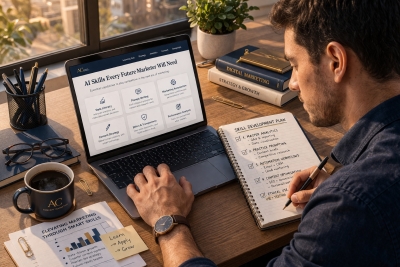
Artificial intelligence has dramatically transformed marketing across every sector. Brands now expect teams to have foundational expertise in AI and marketing technology skills. As automation and analytics tools become more accessible, understanding how to use and strategize with these platforms is essential. Future marketing skills require individuals to be adaptable, proactive and committed to ongoing learning, making AI literacy for marketers a necessity. Businesses that recognize this shift are prioritizing the development of internal AI capability, ensuring greater efficiency, efficacy and strategic direction in all marketing functions.

Conversational marketing continues to redefine how brands and consumers interact in 2026. People expect immediate responses, tailored experiences and genuine two-way communication. Businesses that adapt conversational marketing as part of their lead generation strategies now outpace their competition. Innovative tools like chatbots, live chat software and conversational AI for business ensure prospects never wait in long queues or fill out clunky forms. Modern brands now focus on initiating conversations in real time which drives user engagement and creates more qualified leads.
Every successful brand strives for recognition. In a marketplace filled with competing voices and visuals, brands need more than a catchy logo or slogan to create lasting impact. Multisensory branding steps in as a method that heightens brand identity design, making a difference in how consumers engage with and remember brands. By integrating sight, sound, touch, and sometimes even smell and taste into their storytelling, organizations provide richer, more immersive brand experience design that goes beyond traditional techniques. Understanding the value and applications of multisensory branding becomes an advantage for marketers and decision-makers.

The marketing industry has experienced significant changes over the last several years, driven by advances in artificial intelligence and shifting consumer expectations. Audiences expect more than blanket promotions and impersonal digital messages. Hyper-personalization marketing has transformed approaches to digital campaigns, shifting from static content to intelligently individualized touchpoints. This move changes the way brands interact with their audiences, promising more relevant experiences but demanding robust data strategies and ethical vigilance.

Short-form video marketing stands as one of the dominant forces capturing audience attention in 2026. As user behavior shifts toward faster, visually engaging content, businesses in both B2C and B2B sectors must address new strategies for visibility and engagement. Platforms such as TikTok, Instagram Reels, and YouTube Shorts shape how people consume information. The rapid consumption style rewards those who deliver concise, creative, and value-packed messages. Audiences expect information quickly, which makes an effective video content strategy for 2026 essential for any business intent on growth. This shift directly impacts not just brands relying on influencer trends, but also organizations seeking professional ways to communicate complex ideas.Short-Form Video Marketing: Dominating Attention Metrics
Read more about: How Short-Form Video Marketing Captures Audience Attention in 2026 →

AI is significantly reshaping the world of marketing, integrating technology and human expertise in new ways. Nowhere is this more apparent than at the intersection of AI content marketing and content creation. By leveraging artificial intelligence, marketing teams can produce more relevant, engaging material while optimizing efficiency. This ongoing transformation is driving today’s leading marketing trends, especially as companies seek to maintain an authentic brand voice even when scaling production. As we explore these trends and strategies, understanding the balance between AI and human oversight becomes essential.
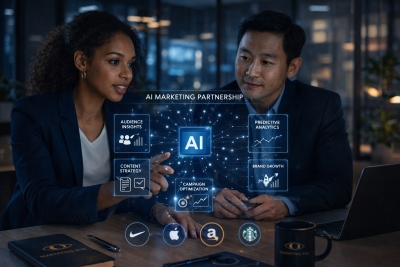
Artificial intelligence (AI) is redefining how companies and agencies work together, transforming once-static partnerships into agile collaborations. Businesses seek ways to achieve greater returns on investment, achieve clarity in complex digital channels and make the most of limited resources. AI does not simply automate processes, it acts as a bridge that connects data, people and platforms across the marketing ecosystem. With the right approach, technology can foster genuine alignment, accelerate decision-making and deliver measurable outcomes for both brands and agencies.

Every Atlanta business owner with growth ambitions faces a persistent challenge—understanding which marketing efforts bring in real results. Lead attribution Atlanta is more than a buzzword. It is the science of determining which interactions, channels or campaigns drove your prospects to convert. Without a clear view, business owners make decisions in the dark, often risking the loss of opportunities or misallocating resources. If you rely on guesswork or half-baked analytics, your most effective tactics might be left underfunded while ineffective campaigns keep running. Smarter lead attribution illuminates the true value of your marketing investments, empowering you to drive lasting growth and sharpen your competitive edge.
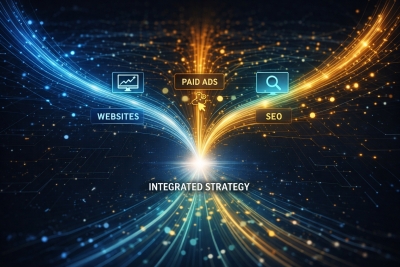
Atlanta businesses face fierce competition when it comes to online visibility. Marketing budgets stretch thin, and it is common for organizations to adopt piecemeal tactics in hopes of driving more customers. Yet, simply running a website, SEO, or advertising separately often fails to generate consistent returns. Integrating these channels, however, creates a strategy greater than the sum of their parts. This blog explores the advantages of combining website development, SEO, and digital ads into one cohesive plan designed around the city’s unique business needs. You will also discover how tools like Robotic Marketer SaaS and resources such as Marketing Eye Magazine as well as an Outsourced Marketing Department can elevate every aspect of integrated marketing strategy Atlanta.
Businesses in Atlanta face unique challenges when trying to stand out online. Many entrepreneurs focus on immediate wins, often placing paid ads at the heart of their strategy. However, the power of SEO Atlanta cannot be overlooked. Unlike paid ads that stop producing when funding runs out, SEO grows in value and generates consistent results over the long haul. Seeing SEO as a long-term asset is vital for local companies aiming to build a steady stream of qualified leads and improved visibility.

Small businesses in Atlanta face fierce competition, often from both local peers and national chains. The quest to stand out rarely begins with the marketing channel itself. Instead, long-lasting differentiation almost always comes from strong brand messaging. Without a clear and convincing message, even the best marketing tactics fail to convert leads or build trust among customers. Understanding what drives successful atlanta small business marketing involves more than just beautiful logos or catchy ads. It starts with clarity—knowing exactly what you want your audience to remember and why it matters to them. This article explores why strong messaging wins more customers for Atlanta small businesses, the pitfalls of weak messaging, and how business owners can build a full framework for brand positioning Atlanta.

Choosing the right marketing leadership shapes the future of any Atlanta business. As companies grow, responsibilities spread thin. Marketing becomes more complex and growth plateaus can persist longer than they should. Understanding when an outsourced CMO Atlanta solution or a fractional CMO Atlanta fits your needs helps avoid stagnation. Whether growth is on your agenda or your current marketing management isn't quite hitting targets, knowing these signals can bring clarity to your next strategic move.

At Marketing Eye Atlanta, we are always interested in brands that understand how modern consumers think, shop and connect. The brands that stand out today are not simply selling products. They are building a world that customers want to be part of.
That is why The Athlete’s Foot continues to capture our attention.
Spend time on tafstore.com and one thing becomes clear very quickly. This is not a sneaker retailer trying to keep up with culture from the outside. It is a brand that understands how sneakers sit within music, fashion, identity and community. That matters because today’s consumers are not just buying footwear. They are buying into brands that reflect who they are and what they value.

Short-form video has moved from a niche tactic to a primary way people consume information. Audiences scroll fast, make instant judgments and ignore messages that feel generic. Brands that understand how to use short clips with intention can earn attention in a crowded feed. Those that rely only on long articles or static images risk losing relevance. This shift affects global enterprises, local retailers and not-for-profits that compete for the same limited attention window.