


Artificial Intelligence (AI) has revolutionized the retail industry, providing retailers with an unprecedented level of customer insights and enabling them to deliver highly personalized shopping experiences. AI technologies such as machine learning, natural language processing, and computer vision are helping retailers to understand their customers' preferences, behavior, and needs. This enables them to personalize marketing campaigns, product recommendations, and in-store experiences.
Expert Marketing Blog - Page 15
Read more about: AI in Retail Marketing: Personalized Shopping Experiences →

In today's multi-device world, mobile phones have become the primary device for consuming content and making purchases. This has led to a shift in the way businesses approach marketing, with mobile-first marketing becoming the dominant strategy for reaching consumers effectively.

The Internet of things (IoT) refers to the connected network of physical bias, vehicles, structures, and other particulars bedded with electronics, software, detectors, and connectivity, enabling these objects to connect and exchange data. The IoT has the potential to revolutionise modern marketing by providing businesses with unprecedented levels of data and insights into customer behaviour and preferences. This technology has the potential to transform various industries, including marketing, by providing businesses with real-time data and insights into customer behaviour and preferences. This can help companies to better understand their customers and tailor their products and services to meet their needs.

With content marketers hard to find over the past few years and rising salary expectations, the emergence of AI driven content software has been lauded as a life saver. The fast-paced digital landscape is continually evolving with businesses are increasingly relying on content marketing to connect with their target audiences and drive engagement, leads and sales. Creating high-quality, impactful content that resonates with your target audience is a complex and time-consuming process that requires deep expertise and specialised tools.

Brand transparency refers to the openness and honesty with which a company communicates information about its products, services, values, and operations to its customers and stakeholders.

Chatbots and AI have revolutionized the way businesses interact with their customers. In customer service, chatbots can provide 24/7 customer support, bridge the gap between customer and first-time visitor, answer customers’ queries, and even handle complex issues by integrating with human agents.

Authenticity is a crucial aspect of any marketing effort, as it helps to build trust and credibility with your target audience. By being genuine and transparent in your marketing, you demonstrate that you truly believe in your products or services, and that you're committed to providing value to your customers.
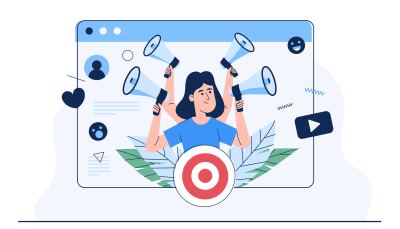
With the rise of big data and advanced analytics tools, businesses now have access to a wealth of information about their customers, including their browsing and purchase history, demographics, and social media activity.

User-generated content (UGC) refers to any form of content that is created and shared by users of a product or service, rather than the brand or business itself. This type of content, which can include reviews, testimonials, social media posts, and photos, can be a valuable tool for building trust and engagement with customers. By leveraging UGC, businesses can showcase the experiences and opinions of real people who have used their products or services, which can help to build credibility and trust with potential customers.

Social media influencers have become an integral part of modern marketing strategies, and for good reason. Influencers have a large following on social media platforms, which can be leveraged to reach a wider audience. By partnering with influencers, brands can tap into the trust and loyalty that their followers have for the influencer, and in turn, transfer that trust to the brand. This can lead to increased engagement, and ultimately drive sales.

Modern marketing relies heavily on data and analytics because they offer insightful knowledge on the behavior and preferences of consumers. Businesses may better understand their target demographic and customize their marketing initiatives to successfully reach and connect with them by gathering and analyzing data on consumer interactions and purchases.

Artificial Intelligence (AI) is revolutionizing the way businesses approach lead nurturing. It lets companies personalize their communication with tips at scale, resulting in higher conversion rates. Personalization is addressing the lead by their name and providing relevant and valuable content that aligns with their interests, needs, and behavior.
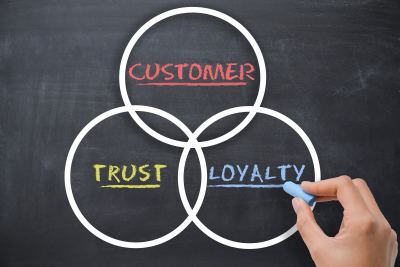
Customer loyalty and retention are important in marketing because they can lead to long-term profitability for a business. Loyal customers are more likely to make repeat purchases, and they may also refer other customers to the business.
This can assist a business to grow and set up a sturdy purchaser base. In addition, it is less expensive to maintain present clients than it is to collect new ones. This is because the value of marketing to and servicing new customers can be high.
Therefore, businesses should focus on building customer loyalty and retention in order to maximize their profits and achieve long-term success
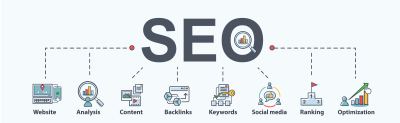
Search engine optimization, or SEO, is a critical aspect of online marketing for businesses of all sizes. It is the process of improving the visibility and ranking of a website in search engine results pages (SERPs) through various techniques, such as keyword research and analysis, content optimization, and backlinking.
The importance of SEO for businesses lies in the fact that it can help to increase website traffic and lead to higher levels of visibility and credibility. A higher ranking in search results can increase wsite traffic, as users are more likely to click on the first few results that appear in their search. This can lead to more leads, sales, and overall revenue for the business.
In addition, SEO can also help to improve the user experience of a website by making it easier to navigate and understand. This can lead to increased engagement and conversions on the site.
Overall, SEO is a crucial component of any online marketing strategy, as it can help businesses to reach their target audience and achieve their marketing and sales goals.

One of the biggest complaints that marketers have is that they don’t have enough time to do everything on their ‘to do list’. With a constant stream of demands from managers and sales team, the list is long and often unmanageable. In 2023, making your marketing team more productive is a priority of many marketing managers and business leaders.